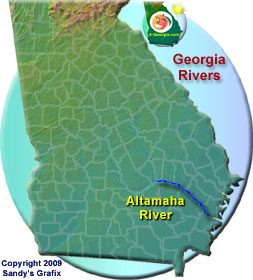
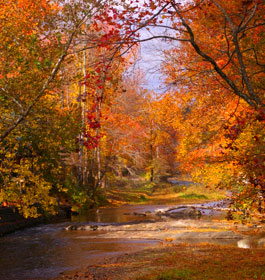
Welcome to www.n-georgia.com Discover Georgia's Altamaha River that flows from the merging of the Ocmulgee and Oconee rivers, forming
the largest free flowing river in Georgia. Once a major thoroughfare for steamboat traffic, the Altamaha now hosts a variety of sporting activities, ranging from bank and boat fishing, to canoeing, leisure boating, to tournament angling.
Stay and Play in GA!
Free Stuff To Do In Georgia Georgia Overnight Accommodations Shopping in Georgia Videos of places and things to do in Georgia Georgia Department of Labor Weather in Georgia Maps of places in Georgia Contact Us Advertise in N-Georgia.com

Home
Georgia Travel Regions
Georgia Coast and Islands
Georgia Festivals and Events
Georgia Monthly Festivals and Events
Georgia Lakes
Georgia Fishing Lakes
Georgia Rivers
Georgia Waterfalls
Georgia National Parks
Georgia State Parks
County Parks
Georgia Wildlife
Georgia U S Forests
Georgia Farmers Markets
Georgia Gardens
Georgia Civil War Sites
Georgia Historic Sites
Georgia Museums
Georgia Plantations and Observatories
Georgia Audubon Society
Georgia Covered Bridges
Georgia Driving Tours
Georgia OHV Trails
Georgia Bike Trails
Georgia Horseback Riding Trails
Georgia Coast National Parks
Augusta GA National Parks
ADA Access
Ourdoor Activities Safety Tips
Georgia Tourist Centers
Altamaha River in GA
The Altamaha River's many public access points provide boaters and fishermen an easy avenue to almost the entire river. Fishermen can find an abundance of freshwater fish species includig, largemouth bass, redbreast sunfish, bluegill, redear sunfish, crappied, channel catfish, white catfish and flathead catfish. The diversity of recreational opportunities along with the natural beauty of this wide, meandering river make it a primary resource for freshwater recreational activity in southeast GA.
Best Fishing Bets
Largemouth bass, flathead catfish, crappie and bream
Altamaha River Fishing Tips
The Altamaha River is one of the premier flathead catfish rivers in the southeast.

Many large flathead catfish or "apaloosas", commonly reach 30 to 50 pounds. They are abundant in the Altamaha River. flathead catfish are yellow-dark brown in color with brown or black motting. Flatheads can be disquinshed by the white tip on the upper lobe of their tail fin.

Although flatheads can be caught year round, the peak in flathead fishing occurs during the sumer months. Flathead catfish perfer deep holes with cover located along the outside bends in the river.

If using sporting tackle, a minimum of 30 lb. lest line is recommended due to the flatheads' large size and the numerous snags in the river. Live bait is a must. Louisiana pinks, shiners, and bream are some fo the more popular baits. Limb lines or trot lines set ovenight using "hand-size bream" as bait are the most popular methods of catching flatheads.
Largemouth Bass are a highly sought after species in the Altamaha.

Bass fishing begins to pick up as water temperatures approach 60 degrees F. Oxbows and cover (fallen trees, brush piles and rocks) in the main river channel are the more productive base fishing areas. Jigs, plastic worms, spinner baits and minnow type lures are effective baits for largemouths. Lures should be presented as close to cover as possible for best results.
Redbreast Sunfish are also a favorite among many Altamaha anglers.

Peak fishing for redbreast occures furing April-June and is closely related to water levels. Preferred habitat for this species is cover in the deep holes locaed along the main river channel. Live bait and artificial lures are both effective for catching redbreast. Crickets and worms fished under a bobber is a popular live bait technique. Small beetle spins, rooster tails and popping bugs (on a fly rod) are effective artivicial lures for enticing redbreast sunfish to strike.
Bluegill and Redear Sunfish (shellcracker) fishing usually begins in late April when these species start becking and continues throughout the summer.

Most of the fishing for these two species is in the still-water (oxbow) lakes off the main river channel. Bluegill and redear sunfish can be harvested using the same methods as described for redberast, but slower moving water is usually better for these two species.
Be An Ethical Angler
Ethical anglers fish responsibly and consider the rights of others. They portray a positive image and help protect and conserve our natural resources. Be an ethical angler; the future of fishing depends on it.

Ethical Anglers:
BulletKnow and obey the fishing regulations
BulletReport viloations and pollution
BulletKeep only the fish they can use and release all the others properly so they will survive
BulletPass on the tradition by taking a child fishing
BulletDon't transfer fish or plant species between bodies of water - Non-native species can adversely affect existing populations.
BulletAppreciate the environment by not littering, dispose of fishing line properly and leave a place cleaner where they found it
BulletShow coutesy to other, lend a helping hand whenever possible and always ask permission before fishing on private property
Trip Checklist
BulletEach person on board must have a readily accessible U.S. Coast Guard (USCG) approved type I, II, II or V (hybrid) Personal Flotation Device (life jacket) in good condition with no rips or tears. Type V devices are acceptable only when worn and surely fastened. Each vessel, except for Class A vessels, canoes, and kayaks must be equipped with at least one type IV (throwable) device. Also, any child under age 10 who is on board a boat must wear an appropriately sized USCG approved life jacket at all times while the boat is moving, whether it be drifting, sailing, or mechanical power.

BulletBoats with enclosed areas that may trap gas or vapors are required to be equipped with a USGC approved fire extinquisher.

BulletMake sure your boat registration and fishing license are current. Carry your licnese and registration card with you.

BulletCheck your boat trailer lights, navigation lights and fuel before beginning your trip.

BulletCarry a first aid kit, insect repellent sunscreen, extra clothing, rain gear, and plenty of food and drinking water.

BulletBe aware of and abide by all fishing regulations. A copy of current fishing and boating regulations can be obtained from any DNR office and many sotres that sell bait and tackel. Have a float plan. Always tell someone where you are going and when you expect to return.

Follow these guidelines for a safe and fun recreation experience.
GA River
 
Custom Search

Check These Out:

Georgia Lakes
BulletGeorgia Lakes
BulletWMA Public Fishing Areas
BulletGA Fishing Lakes
BulletGeorgia Rivers & Map
BulletGA Lakes & Rivers Map
BulletWater Safety

Bullet


HomeFree Stuff To Do - Festivals & Events - Monthly Events - State Parks - County Parks  - Georgia National ForestsWildlife Areas    
WRD Archery & Firearms Ranges - National Parks Services Sites - Horseback Riding Trails - OHV Trails - Bike Trails - Driving Tours
Covered Bridges - Civil War Sites - Historic Sites - Augusta NPS - Coastal NPS - Museums - Coast & Islands - Rivers - Lakes - Fishing Lakes - Waterfalls - Gardens - Planetariums - Audubon Society - Farmer Markets - Rec Newz - ADA Access - Travel Regions - Tourist Centers
Visitor Centers - Maps - Videos - Safety Tips  - Lodging - Shopping - Dept of Labor - Weather - Advertising  - Privacy Policy -  Contact

Website created and Copyright ©1998-2012 by Aha-Media.com. All rights are reserved. Website updated on 1/10/2012