
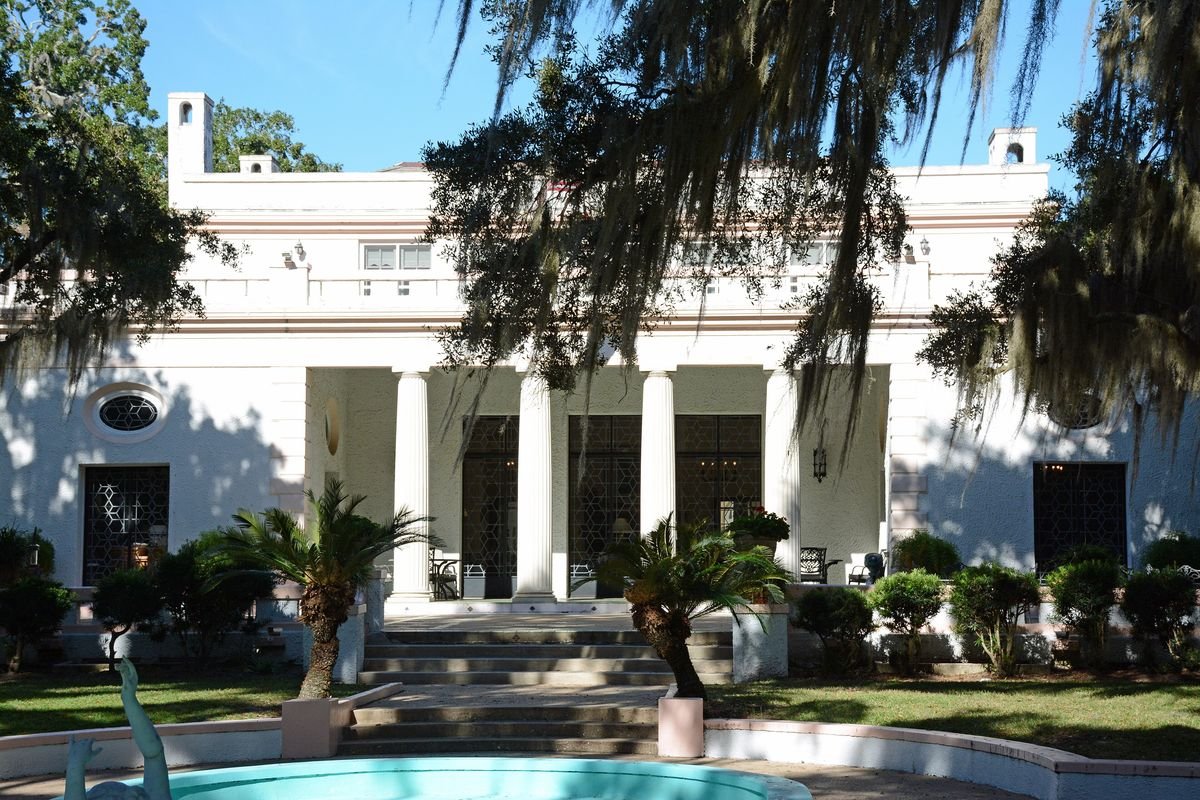
Photo: Bubba73 (Jud McCranie), CC BY-SA 4.0, via Wikimedia Commons
After a 30-minute ferry ride, arrive at this 11-mile-long island. See squadrons of brown pelicans fly into an endless horizon, while the sand dunes hold stories of pirate treasure long buried.
Guided tours highlight the Gullah Geechee community of Hog Hammock, the Reynolds Mansion, Nanny Goat Beach, the University of Georgia Marine Institute and the restored Sapelo Lighthouse. Most of the island is protected by the Georgia Department of Natural Resources and the Sapelo Island National Estuarine Research Reserve.
Plan Ahead: You Can’t Just Drive Up
Sapelo is reachable only by boat. Day visitors come over on a guided tour booked through the Sapelo Island Visitor Center (912-437-3224) or as the registered guest of an island landowner; tour and ferry prices and days change, so call ahead. Overnight options are group stays at the Reynolds Mansion, group camping at Cabretta, or lodging in Hog Hammock.
- Visitor Center & FerryMeridian, 8 miles northeast of Darien off GA Hwy 99
- Visitor Center HoursTue – Fri 7:30 a.m. – 5:30 p.m.; Sat 8 a.m. – 5:30 p.m.
- Tours & Ferry912-437-3224
- Reynolds Mansion & Group Camping912-485-2299
- Mailing Address1766 Landing Rd. SE, Darien, GA 31305 (visitor center)
- GPS CoordinatesN 31.398116, W -81.276666
Driving directions: From I-95, take Exit 58 to GA Hwy 57, then GA Hwy 99 to Meridian. The mainland ferry dock, visitor center and parking are in Meridian.
Island Highlights
- Georgia’s fourth-largest barrier island
- Salt marsh, beach & dune systems
- Reynolds Mansion (group lodging)
- Cabretta Island group campground
- Hog Hammock community
- Sapelo Lighthouse
- Nanny Goat Beach
- UGA Marine Institute
- Marsh & beach walks
- Birding
- Guided tours (reservations required)
Photos
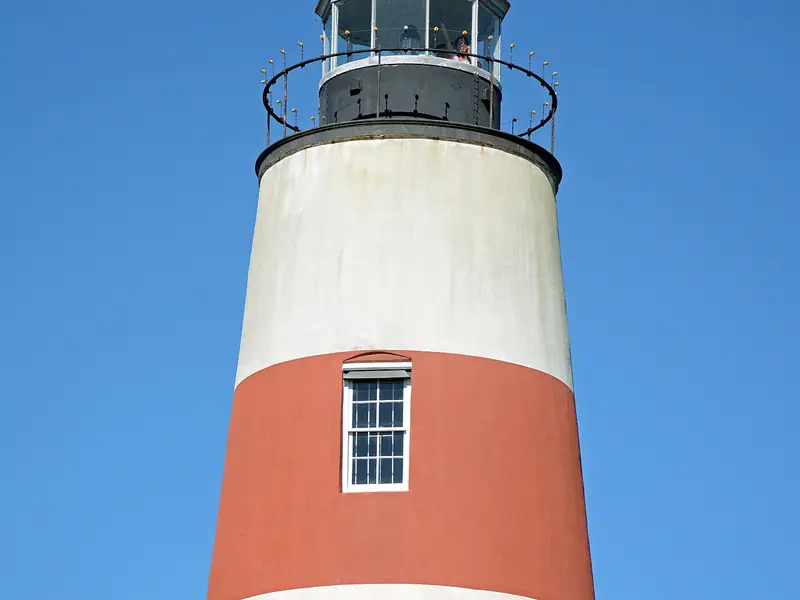 Sapelo LighthouseFirst lit in 1820, restored in 1998
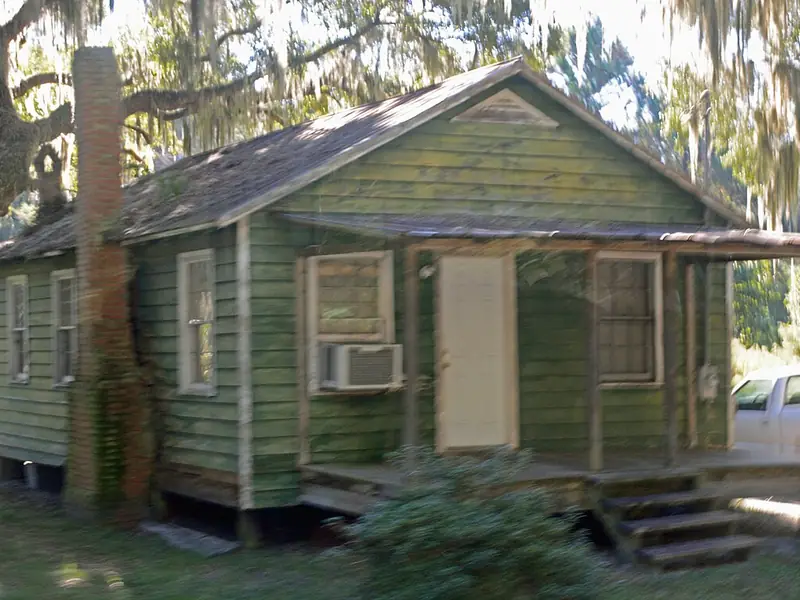 Hog HammockA living Gullah Geechee community
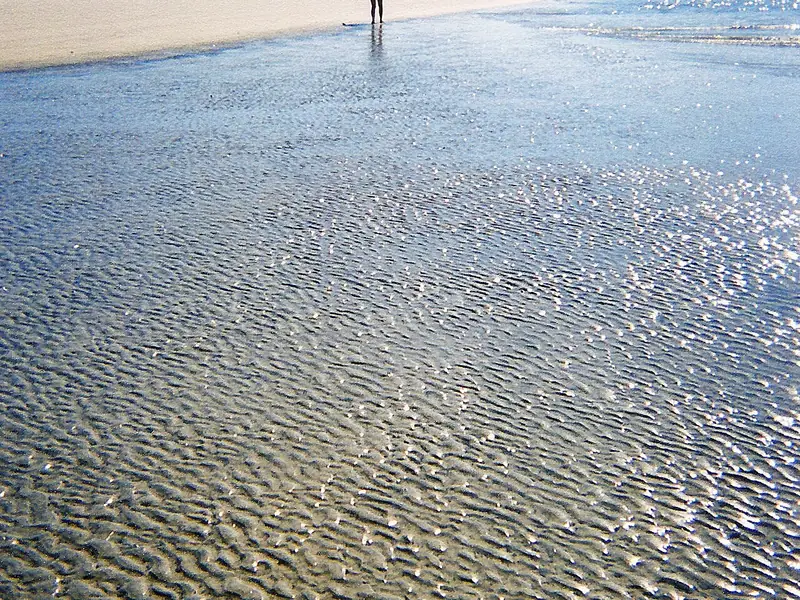 Undeveloped BeachesMiles of wild Atlantic shoreline
Photos via Wikimedia Commons: Bubba73 (Jud McCranie), CC BY-SA 4.0; Bubba73 (Jud McCranie), CC BY-SA 4.0; Jason Priem, CC BY-SA 2.0.
The Reynolds Mansion
The original mansion was built from tabby, a mixture of lime, shells and water, by Thomas Spalding, an architect, statesman and plantation owner who purchased the south end of the island in 1802. It served as the Spalding plantation house until the Civil War, fell into ruin, and was rebuilt by Detroit automotive engineer Howard Coffin in 1912. Tobacco heir Richard J. Reynolds bought the property in 1934 and donated land and facilities to the University of Georgia for marine research. After Reynolds’ death in 1964, the state acquired the mansion and most of the island.
Meetings are out of the ordinary when held in the ornately decorated Circus Room, with wild animal murals by famed Atlanta artist Athos Menaboni, whose work appears throughout the house. The library is a bibliophile’s dream, with original nameplates in many volumes from Mr. Reynolds’ private collection, and pathways link the grounds to the Atlantic, where a beachfront pavilion awaits your picnic plans.
Group Stays Only
The mansion is available only to groups of 16 to 25 guests in 10 bedrooms, with a two-night minimum. Rates include meals. Call 912-485-2299 for group reservations; individual guests cannot be booked.
Cabretta Group Campground
Groups of 15–25 may camp near the beach on Sapelo’s Cabretta Island, with hot showers available. Due to health and sanitation policies, pets are not allowed.
Secluded Sapelo
Sapelo Island is steeped in history. Guale Native American settlements are scattered across the island, and Spanish, English and French occupation each succeeded one another before Thomas Spalding built what is now the Reynolds Mansion. Tales of pirate treasure and Civil War battles, of plantation days and the industrial magnates who came to find seclusion, are woven into the story of the island, and American presidents from Coolidge to Carter have walked its beaches.
The only private land is the community of Hog Hammock, home to Gullah Geechee residents descended from people enslaved on the Spalding plantation. Across the island, visitors will see evidence of its long settlement, including a landing strip, an old post office and the ruins of tabby structures dating back to plantation days.
The lush forest surrounds guests in a sea of green almost year-round, and exploring the island’s 11-mile length and four-mile width is certain to produce sightings of white-tailed deer, raccoons, opossums, wild turkeys, armadillos and other animals. The plain chachalaca, a Central American bird brought here as a gamebird in the 1920s, still runs wild in the forest, as do feral hogs and cattle. Sapelo is a birder’s paradise, with many shorebirds and other species calling the island home permanently or seasonally.
Beaches & the Lighthouse
Beaches stretching as far as the eye can see define the Sapelo experience. The Atlantic surf constantly changes and redesigns the undeveloped shoreline, and the salt marshes around Sapelo’s undisturbed dunes represent a unique ecosystem found only along the barrier islands.
On the southern end of the island, the Sapelo Lighthouse watches over Doboy Sound and the Atlantic Ocean. The first lighthouse was built here in 1820 on a five-acre tract Thomas Spalding sold to the federal government for $1.00 in 1808. Damaged by hurricanes over the years, it was eventually replaced and deactivated in 1933, then restored in 1998 with a new spiral staircase, new lantern glass and light, and the red-and-white striped paint scheme of the original.
Getting There
Your arrival at Sapelo is aboard the Georgia Department of Natural Resources ferry from the Meridian dock. The half-hour ride immerses you in the sounds, sights and smells of the tidewater estuary: gulls and shorebirds chase the ferry across the sound, and playful dolphins often swim alongside. Arrive at least 15 minutes before departure, and check in at the Visitor Center first if you’re on a public or group tour. Because of the island’s unique ecology and archaeology, strict rules apply to all visitors; bicycles, canoes, oversized coolers and fuel are among the items not allowed on the ferry.