 |
||
A successful hunting season is never guaranteed. The uninitiated imagine how easy it must be to walk into the woods and take down game, but in reality it is often much more difficult.. |
||
Many first-time hunters also fall victim to such assumptions, only to discover how wrong they are through a wasted season. There is certainly no shortage of hunters in the United States - 12.5 million, according to the latest survey conducted by the U.S. Fish & Wildlife Service. But of those hunters, only an experienced few understand how much preparation is required to fill your tag. 1. Hit The RangeThere are few moments more exciting than when a game animal is in your sites. However, there are also few targets more difficult to hit. With adrenaline surging, the animal does not need to even move for many hunters to miss. The excitement is often enough to cause you to jerk the trigger, sending your shot off-target. At best, you miss. At worst, you wound the animal and must track it for hours, hoping you can find it. The best way to deal with these nerves is through practice. If you train enough, you will be better able to cope with the natural excitement, and will have a better chance of hitting your target. Field and Stream recommends practicing your bowshots from whatever angles you may find yourself in on your hunt. The same advice is useful for firearm hunting as well. |
||
|
||
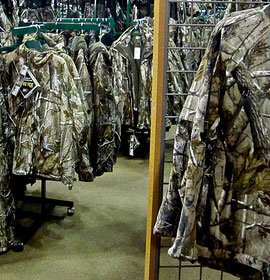
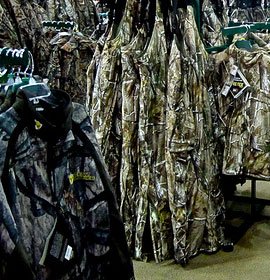
2. Scout Your TerrainSuccessful hunters do not rely on random chance. They hit their hunting area early, before the season begins, and learn the signs of their quarry. Animals have specific behavior patterns - feeding, drinking and sleeping - that you can come to understand if you pay attention. Learn to find game trails and feeding and watering areas to get an idea of where the game will be. If you scout enough, you should gain enough information to plan out your hunt. 3. Take a Safety CourseMost states will not allow you to hunt without a hunter safety course, but many will give you a pass if you were born before a certain year. The fact is, though, that everyone can use such a course, even if you think you already understand hunter safety. If you always hunt in the same region, say for deer in Hancock county, a Georgia hunter safety course would be ideal. 4. Talk To Your Area Game OfficeSpeaking to your state wildlife office is a fantastic way to learn about any changes that have occurred since last season. Your local office knows most everything about local game, and can help you understand your area. This will help with planning your hunts. Hunting clothes photo from Flickr user ellenm1. |
||
|