|
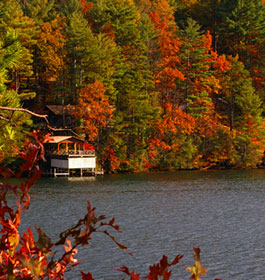
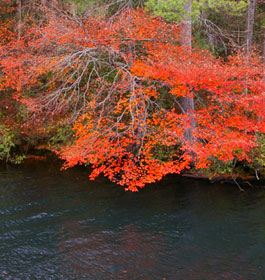
This 26,650-acre U.S. Army Corps of Engineers reservoir is nestled between Lakes Hartwell and Clarks Hill on the Savannah River. Shoreline development is forbidden, making this one of the more pristine reservoirs in Georgia. |
| General Information |
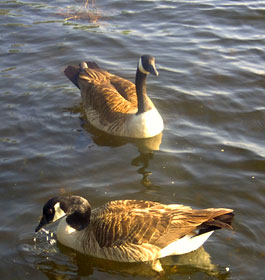
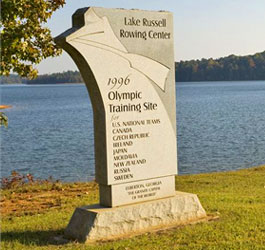 Many visitors express their appreciation with the Corps for maintaining the aesthetic qualities of the lake and shoreline – a unique experience for most outdoor enthusiasts in the area. With its undeveloped shorelines, Russell Lake provides an outdoor experience that goes beyond just fishing – visitors enjoy the beautiful scenery as well as the abundant wildlife. Many visitors express their appreciation with the Corps for maintaining the aesthetic qualities of the lake and shoreline – a unique experience for most outdoor enthusiasts in the area. With its undeveloped shorelines, Russell Lake provides an outdoor experience that goes beyond just fishing – visitors enjoy the beautiful scenery as well as the abundant wildlife.
Angling prospects are compiled by fisheries biologists and are based on sampling efforts of the Georgia Dept. of Natural Resources (DNR), knowledge of past fishing trends, angling experience and information provided by anglers and marina owners. Call for fees. For more information, contact the Wildlife Resources Division, Thomson Fisheries office at 706-595-1619.
Amenities: Public Restrooms, Accessibility for mobility-impaired. |
|
| Parks and Marinas |
| Richard B Russell State Park - Visitor info center, concessions, swimming beach, camping, water and electric hookups, playground, picnic areas, picnic shelters, boat ramp, fishing pier and hiking trails. All facilities are designed for wheelchair accessibility, including the swimming beach. Parking fee. Phone: Reservations 800-864-7275 - Park 706-213-2045 |
Most day use areas have amenities such as picnic tables, playgrounds, boat launching ramps, courtesy docks, restrooms, reservable picnic shelters, drinking water, and swim beaches. Currently there are no Corps managed Day Use Areas, however, there are numerous State Recreation Areas.
Beaverdam Marina: Visitor info center, concessions, boat ramps, courtesy dock, marina, restrooms and restaurant
Beverly Park - Boat ramps and restrooms
Coldwater Creek Ramp and Pier - Boat ramp, fishing pier and restroom
Dry Fork Creek - Boat ramp and restroom
Elbert Park - Boat ramp, courtesy dock and restroom
GA Hwy 181 Ramp and Pier - Fishing pier and restroom
Middleton - Boat ramp and restroom
Camping Reservations and Info: 1-877-444-6777 or www.reserveusa.com - U. S. Army Corps of Engineers |
| Boat Ramps |
| WRD operates six boat ramps on Lake Richard B. Russell. |
|
| Best Fishing Bets |
| Largemouth Bass, Spotted Bass, Striped Bass and Crappie |
Largemouth Bass - Expect fishing to be consistent with last years catch. Increased numbers of spotted bass may make it more difficult to find and target largemouth bass in some areas. Concentrate in areas such as Beaverdam Creek, Coldwater Creek and Pickens Creek.
Technique - Popular year-round baits include spinnerbaits, crankbaits, jerkbaits, topwater baits, jig-head worms, jigs and other plastic baits. These baits can be fished around standing timber, main-lake points, offshore humps, riprap and rocky areas and around lay-down trees.
Target - During winter months, fish crankbaits, jigs and other deeper plastics around standing timber and deeper main-lake points. Also, concentrate on deeper fish following large schools of baitfish with jigging spoons and drop shot rigs. In the spring, use jerkbaits, spinnerbaits and shallower plastics focusing on shallower standing timber and secondary points. During summer, use deeper plastics and drop shot rigs on main-lake points and creek channels. Night fishing during this time of year is popular. In the fall, fish spinnerbaits and crankbaits in the backs of creek arms, as fish migrate following baitfish. |
Spotted Bass - The population of spotted bass continues to expand. Numbers of fish are up from the following electrofishing survey and targeting spotted bass may become easier than largemouth bass. Spotted bass can now be found throughout much of the reservoir. The average spotted bass during the 2008 electrofishing survey was around 1 pound, however 2 to 3-pound fish are available.
Technique - Popular baits include smaller crankbaits, spinnerbaits, jig-head worms, drop shot rigs and soft plastics. These baits can be used around standing timber, main-lake points, river channel markers and off shore humps.
Target - During winter, fish smaller jigs, deeper plastics, jig-head worms, drop shot rigs and jigging spoons. Concentrate on deeper areas such as creek channels, ditches, main-lake points and rocky areas. In the spring, use jerkbaits, spinnerbaits, jig-head worms and drop shot rigs. Focus on main-lake points, secondary points and standing timber. Throughout summer, use jig-head worms, drop shot rigs and deeper plastics along deeper main-lake areas, off shore humps, rip-rap areas and bridges. In the fall, fish smaller crankbaits, jerkbaits, jig-head worms and drop shot rigs. Fish areas such as main-lake points, river channel markers, off shore humps and bridges. |
|
Crappie - Expect fishing for black crappie to be consistent with last year's catch. Most keepers will be 8-12 inches, with some fish larger than 12 inches. Crappie should weigh around 1/2 to 3/4 pound this spring, with good numbers of fish up to 1½ pound. Fish from February to May for larger numbers and larger fish.
Technique - Minnows and jigs are recommended.
Target - In early February, concentrate toward the mouths of the creeks, near the main lake and gradually move toward more shallow water as temperatures rise in spring. In the spring, target standing timber, man-made brush piles and shallower cover in Coldwater Creek, Pickens Creek and Beaverdam Creek. When water temperatures reach the low 60s (F), target bedding crappie around shallow shoreline cover. During the fall, concentrate on the mouths of the creeks and river channels and bridges. |
Striped Bass - The striped bass population offers lower catch rates, however the average striped bass should be between 8 and 10 pounds, with many over the 10 pound mark.
Technique - Live bait, bucktail jigs, swim baits and jigging spoons are effective.
Target - During winter months, focus on the lower third of the reservoir and look for striped bass in deeper water following schools of baitfish. During summer, concentrate on the Lake - Hartwell tailrace and the Lake Russell Dam area. |
| Additional Info |
| Changes in the structure of the oxygen system, which covers about 65 acres in the forebay of the reservoir, have caused a change in the fish patterns in summer and early fall. Expect trophy catches of large stripers, hybrids and largemouth bass as a result of the habitat this system created. |
| Contact Info & Website Link |
| U.S. Army Corps of Engineers at 1-800-944-7207 - U.S. Corps Richard B Russell Lake Website |
|
|
|

Visit:

Georgia Lakes
More GA Fishing Lakes
Georgia Rivers & Map
GA Lakes & Rivers Map
Water Safety
|