Welcome to www.n-georgia.com Discover Georgia's Painted Buntings - Patuxent Wildlife Research Center - Every year since 1966, thousands of volunteers have assisted wildlife biologists in conducting the annual North American Breeding Bird Survey (BBS), which is organized and managed by the USGS Patuxent Wildlife Research Center. Stay and Play in GA!
Free Stuff To Do In Georgia Georgia Overnight Accommodations Shopping in Georgia Videos of places and things to do in Georgia Georgia Department of Labor Weather in Georgia Maps of places in Georgia Contact Us Advertise in N-Georgia.com

N-Georgia.com Website

Georgia's 9 Travel Regions

ADA Access Locations
Georgia Monthly Festivals and Events
Georgia Festivals and Events
Georgia State Parks
Georgia County Parks
Georgia Wildlife Resources Division Areas
Georgia WRD Archery and Firearms Ranges
Georgia U. S. Forests
Georgia National Parks Services
National Parks Services Augusta GA Historic Sites
NPS Georgia Coast and Islands Historic Sites
Georgia Horseback Riding Trails
Georgia Mountain Bike Trails
Georgia Off Highway Vehicle Trails
Georgia Driving Tours
Georgia Covered Bridges
Georgia Waterfalls
Georgia Lakes
Georgia Fishing Lakes
Georgia Rivers
Georgia Coast and Islands
Georgia Planetariums and Observatories
Georgia Audubon Society
Georgia Farmers Markets
Georgia Gardens
Georgia Historic Sites
Georgia Civil War Sites
Georgia Museums
Miscellaneous Fun Activities
Outdoor Safety Tips
Georgia Tourist Centers
Georgia Visitor Centers
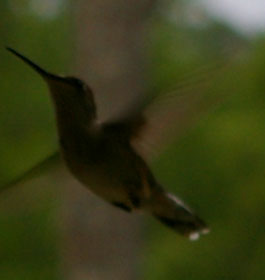
Hummingbird in GA
Each volunteer surveys a 25-mile roadside circuit by stopping for three minutes every one-half mile and counting all birds that are seen or heard. These surveys provide wildlife biologists with valuable trends for many of our bird populations.

One of these species, the Painted Bunting, scientific name: Passerina ciris, ranks high for need of attention in important coastal areas of the southeastern United States. Unlike declining populations of forest interior migratory birds that need large areas of unbroken forests, the Painted Bunting depends on young shrub and grassland habitat for breeding and nesting primarily in upland maritime shrub-scrub habitat of the South Atlantic Coastal Plain from North Carolina to northeastern Florida.

Painted Buntings can also use shrub-scrub habitat in open pine and maritime oak forests. This upland coastal habitat on barrier islands and coastal mainland is highly vulnerable to loss from development.

Recently wildlife biologists in GA have completed studies that provide some important information on Painted Bunting survival and habitat use. Although not all the answers have been found to restore the Painted Bunting population to levels of the 1960s, it is clear that many management practices can be modified or initiated to enhance the population of this declining species.

We hope that the information and recommendations provided will not only stimulate interest in the recovery of the Painted Bunting, but also become a stepping stone to many other conservation issues in our coastal wildlife habitats.

Website References
Bird without equal: The story of Georgia's Painted Bunting Website and
GA Regional Map/ Birding Trail Site Website
National Audubon Society Website
 
Custom Search

Georgia Audubon Societies

Backyard Birding

Trees and Shrubs for Attracting Birds

Bullet
HomeFree Stuff To Do - Festivals & Events - Monthly Events - State Parks - County Parks  - Georgia National ForestsWildlife Areas    
WRD Archery & Firearms Ranges - National Parks Services Sites - Horseback Riding Trails - OHV Trails - Bike Trails - Driving Tours
Covered Bridges - Civil War Sites - Historic Sites - Augusta NPS - Coastal NPS - Museums - Coast & Islands - Rivers - Lakes - Fishing Lakes - Waterfalls - Gardens - Planetariums - Audubon Society - Farmer Markets - Misc. Fun - ADA Access - Travel Regions - Tourist Centers
Visitor Centers - Maps - Videos - Safety Tips  - Lodging - Shopping - Dept of Labor - Weather - Advertising  - Privacy Policy -  Contact

Website created and Copyright ©2009 by Sandy's Grafix. All rights are reserved. Website updated on 6/23/2009