|
|
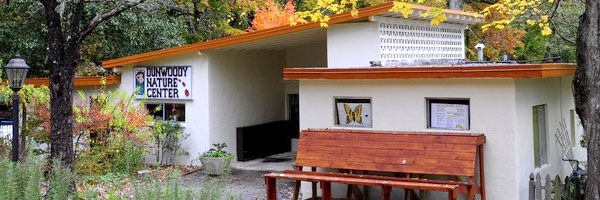
Enjoy a wetland boardwalk, woodland and streamside trails, display gardens, a picnic meadow, a treehouse classroom pavilion, a shaded playground and more. This is a nonprofit organization was established by community volunteers to develop, improve, and preserve 22 acres of Dunwoody Park as a natural classroom for environmental education. |
| Gardens and more |
Gateway Garden - The front entrance a window or "gateway" to a "natural classroom for environmental education".
This beautiful, harmonious planting extends along the entire frontage of the Nature Center. The unique design consists mostly of native trees, shrubs, grasses and perennials with a focus on fall color and berries for wildlife. Virginia sweetspire, red cedars, sumac, fothergilla, hydrangeas, ironweed, goldenrod, asters, Joe Pyeweed, broom sedge and lespedeza are just a few of the native and underused plants that were chosen.
Incorporated into its design are surrounding woodland areas that have been cleared of nonnative plants in order that existing understory natives such as sassafras, dogwood and 'Euonymous Americanus' (also called Hearts-a-bustin') may flourish.
The Rock Garden at Dunwoody Nature Center is situated beside the stairs leading to the front door. A few years ago, summer campers planted this garden as part of a lesson on plants. It contains a variety of sedum, thyme, creeping geranium, creeping phlox, lamb's ear and other rock garden favorites. The rosemary is the plant that gives this garden such a great scent — go ahead and touch to release the aroma!
Featured are native hydrangea, Northern sea oats, crossvine, wild geranium, trillium, wild ginger, senecio, heuchera and foamflower. It is a wonderful demonstration garden to discover how Southeastern natives can be incorporated into the landscape. Thanks to garden designer, Jim Harrington, and G.N.P.S. for a very welcoming garden.
The Native Plant Garden is located just in front of the large front windows of the nature center. The plants in this garden are labeled and a detailed map is available. |
|
| |
Compost Demonstration Site - Featuring a Vermicomposting (WORM composting) site inside the building to teach about setting up and using that type of composting as well. Help yourself to all kinds of composting literature at the display inside the building and if you are lucky enough to catch one of our "Compost Queens" at work she can help answer your questions on the subject.
Wet Meadow - This garden, located behind the building, incorporates bog and bird-friendly plants, such as chokeberry, red-twig dogwood, Virginia sweetspire, serviceberry, Joe Pyeweed, Louisiana and yellow-flag iris, hummingbird clethra, stokesia, goldenrod, aster, upland sea oats and native hibiscus. Three bird houses have been added. The remainder of the area is experimentally un-mowed to encourage plant naturalization. A detailed map is available.
 Honeybee Observation Hive and Pollinator's Paradise Garden - If you have ever wondered just WHAT all those bees did to keep themselves so busy, now you have a chance to find out for yourself. Come see the new hive, with its queen bee (marked with a red dot on her back). Honeybee Observation Hive and Pollinator's Paradise Garden - If you have ever wondered just WHAT all those bees did to keep themselves so busy, now you have a chance to find out for yourself. Come see the new hive, with its queen bee (marked with a red dot on her back).
If you sit and watch for a few minutes you may see the workers come in with their leg sacks full of pollen to do the "bee dance" and show the others where she found the pollen. You could be lucky enough to see a new bee chew her way out of the brood chamber, clean herself up, and almost immediately start to work. Or you could see the queen laying eggs and being tended to by many of the workers.
These things and a number of honeybee educational exhibits to teach you more about the bees are available at Dunwoody Nature Center for you and your family to see.
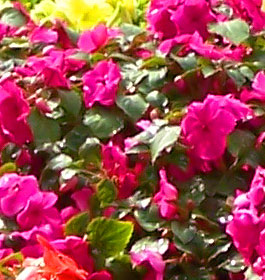
Pollinators Paradise Garden has been created just outside the bee entrance to the hive. It is filled with plants to attract and feed bees, butterflies, moths, hummingbirds, and the other important pollinators of our gardens.
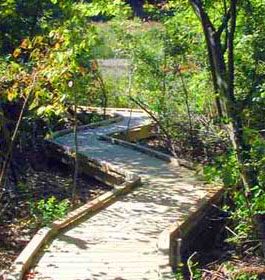
Wetlands Boardwalk - Learn about the great diversity of plant and animal life in the wetlands without damage to this fragile but hard-working ecosystem. You can even do all of this without getting your shoes dirty. |
|
| Hours Open, Cost, Contact, Address and Website Link |
Open sun-up to sundown, seven days a week. Dunwoody Nature Center is open Monday through Friday, 9 am to 5 pm. Free admission and parking to visit park. There are fees for camps and classes. Phone: 770-394-3322 - Address: 5343 Roberts Dr, Dunwoody GA 30338
Directions: 400 N to Northridge (exit 6). Go straight on to Roberts Dr. 2 miles up on the left.
Gardens Map and Trails Map - Visit the Dunwoody Garden Website here |
|
|

Check these out:
 GA Gardens GA Gardens
Garden Types

Atlanta Travel Region Printable Map
Metro Atlanta Georgia
Festivals & Events
Free Indoor Activities
Free Outdoor Activities
Tourist Centers
Travel Region Info
|