Discover U.S. Forest Brasstown Wilderness Area - The Brasstown Wilderness is 12,896 acres. All of this wilderness is located in Georgia and is managed by the Forest Service. Stay and Play in GA!
Description
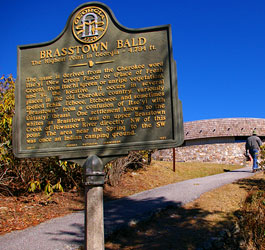
The "capital of the Cherokee" is a steeply rugged Wilderness that drapes across the northern, northeastern, and southwestern flanks of 4,784-foot Brasstown Bald Mountain, the highest point in the state.
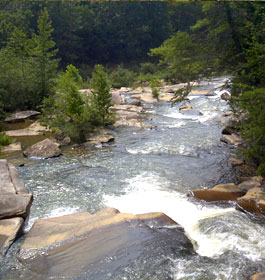
Here you'll find boulder fields, rock formations, and streams cascading through narrow gorges, giving way periodically to waterfalls. Second-growth hardwoods dominate this flora-rich region, highlighted in spring and summer by a profusion of wildflowers.
Native trout can be found in some of the 14.1 miles of stream. Deer, squirrels, and grouse scurry about the banks, with smaller populations of black bears, woodcocks, and wild turkeys. The threatened or endangered New England cottontail rabbit, southeastern shrew, and pygmy shrew also seek shelter here.
Hikers tend to stick to the only developed trails in the area: the steep 5.5-mile Arkaqua National Recreation Trail, which begins at the Brasstown Bald parking area just outside the Wilderness, and the 4.5-mile Jack's Knob National Recreation Trail, which ties the Appalachian Trail to the same parking lot. During periods of heavy visitation, noise from the Brasstown Bald Visitors Center echoes through the Wilderness.
Contact: Brasstown Ranger District - Phone: 706-745-6928 - Address: 1881 Hwy 515, Blairsville, GA 30514
Area Management
The Brasstown Wilderness is part of the 109 million acre National Wilderness Preservation System. This System of lands provides clean air, water, and habitat critical for rare and endangered plants and animals.
In wilderness, you can enjoy challenging recreational activities like hiking, backpacking, climbing, kayaking, canoeing, rafting, horse packing, bird watching, stargazing, and extraordinary opportunities for solitude. You play an important role in helping to "secure for the American people of present and future generations the benefits of an enduring resource of wilderness" as called for by the Congress of the United States through the Wilderness Act of 1964.
Please follow the requirements outlined below and use Leave No Trace techniques when visiting the Brasstown Wilderness to ensure protection of this unique area.
General Wilderness Prohibitions
Motorized equipment and equipment used for mechanical transport is generally prohibited on all federal lands designated as wilderness. This includes the use of motor vehicles, motorboats, motorized equipment, bicycles, hang gliders, wagons, carts, portage wheels, and the landing of aircraft including helicopters, unless provided for in specific legislation.
In a few areas some exceptions allowing the use of motorized equipment or mechanical transport are described in the special regulations in effect for a specific area. Contact the Forest Service office for more specific information.
These general prohibitions have been implemented for all national forest wildernesses in order to implement the provisions of the Wilderness Act of 1964. The Wilderness Act requires management of human-caused impacts and protection of the area's wilderness character to insure that it is "unimpaired for the future use and enjoyment as wilderness." Use of the equipment listed as prohibited in wilderness is inconsistent with the provision in the Wilderness Act which mandates opportunities for solitude or primitive recreation and that wilderness is a place that is in contrast with areas where people and their works are dominant.
Wilderness-Specific Regulations
Wilderness managers often need to take action to limit the impacts caused by visitor activities in order to protect the natural conditions of wilderness as required by the Wilderness Act of 1964. Managers typically implement 'indirect' types of actions such as information and education measures before selecting more restrictive measures. When regulations are necessary, they are implemented with the specific intent of balancing the need to preserve the character of the wilderness while providing for the use and enjoyment of wilderness.
The following wilderness regulations are in effect for this area. Not all regulations are in effect for every wilderness. Contact the Forest Service office for more specific information about the regulations listed.
Stock grazing prohibited Dogs Restricted - Must be leased and under control
Stock Use Prohibited - No hitching or tethering Possessing or using a saddle, pack, or draft animal on developed trails which hs been closed to use by horses and is posted as prohibited. Then hitching, tethering or hobbling a horse or other saddle or pack animal, closer than 50 feet from a stream or body of water is prohibited.
The priority for the Forest Service during the 1960's and 1970's was to restore badly eroded lands on the Oconee and restore forest health. During the 1960's construction efforts were undertaken to provide developed recreation areas within 50 miles of every major town. Brasstown Bald Visitor Information Center atop Georgia's highest mountain and Warwomen Dell are examples of areas built as a result of this effort.
The next four decades saw increased environmental legislation that governs management of the national forests to protect environmental quality and insure public involvement in the process. Wilderness areas were preserved, Wild and Scenic Rivers designated, and experts in natural resource management were employed to help meet the challenges. While the way we do things have changed many times over the years, our tradition of stewardship--caring for the land and serving people, is the same.


























 Camping